
Excursions
Attanagalla Raja Maha Viharaya
(Approx. 11 km)
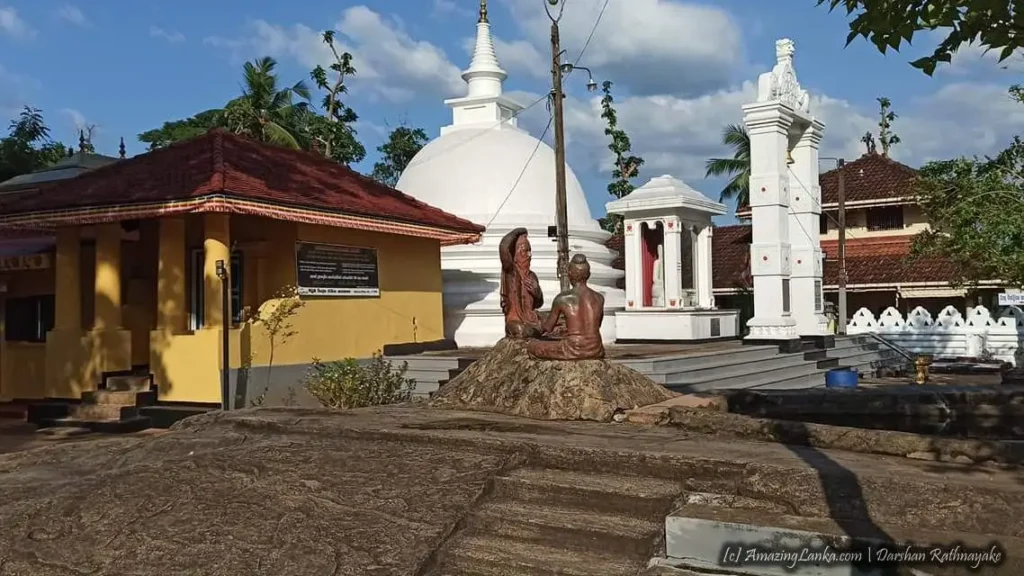
Attanagalla Raja Maha Viharaya is a revered and ancient Buddhist temple with deep historical and spiritual significance. Situated in the Gampaha District, this temple stands as a symbol of Sri Lanka’s rich cultural heritage and religious devotion.
According to legend, the temple marks the place where King Siri Sangabo, a revered monarch in Sri Lankan history, sacrificed his life in an act of compassion and selflessness. This act has made Attanagalla not only a place of worship but also a symbol of virtue and sacrifice in Sri Lankan Buddhist culture.
Architecturally, the temple features traditional Sinhalese design, with beautifully preserved stone carvings, intricate murals, and a serene setting surrounded by lush greenery. It continues to be an active site of worship and pilgrimage, attracting devotees and tourists alike who seek spiritual solace and a glimpse into the island’s storied past.
Negombo Beach & Lagoon
(Approx. 27 km)
Negombo Beach and Lagoon offer the perfect blend of sun, sand, and culture for travelers looking to unwind or explore.
Negombo Beach is known for its golden sands, vibrant beachfront, and laid-back vibe. Whether you’re sipping a fresh king coconut under a palm tree, enjoying fresh seafood at a beachside restaurant, or catching a colorful sunset over the Indian Ocean, the beach offers a serene escape with a splash of local flavor.
Just inland, the Negombo Lagoon stretches across 35 square kilometers and is a haven for nature lovers. Teeming with birdlife, mangroves, and traditional catamarans, the lagoon is ideal for boat rides, birdwatching, and witnessing local fishermen in action using age-old methods. It’s a unique ecosystem that blends natural beauty with authentic Sri Lankan life.
Whether you’re a backpacker, luxury traveler, or cultural enthusiast, Negombo’s beach and lagoon offer something for everyone — making it the perfect starting or ending point to your Sri Lankan adventure.

Henarathgoda Botanical Garden
(Approx. 14 km)
Henarathgoda Botanical Garden is a tranquil retreat that offers visitors a peaceful escape into nature. Established in 1876, this historic garden is not only one of the oldest in the country but also the very site where the first rubber tree (Hevea brasiliensis) was planted in Sri Lanka — a significant moment in the island’s agricultural history.
Spread across over 40 acres, the garden is home to a wide variety of tropical and subtropical plants, towering trees, vibrant flowers, and rare botanical species from around the world. Tree-lined pathways, quiet ponds, and shady groves create an inviting atmosphere for leisurely walks, picnics, and birdwatching.
Henarathgoda is a favorite among locals and tourists alike, not just for its natural beauty, but also for its educational value. The garden offers a great opportunity to learn about Sri Lanka’s biodiversity and the role of botany in its colonial past.

Gale Dewalaya
(Approx. 13 km)
Gale Dewalaya (also spelled Gala Devalaya) in Minuwangoda is a small but spiritually important local shrine dedicated to a deity, most likely Gale Bandara, a regional guardian spirit often worshipped in Sinhalese culture. These types of dewalayas (shrines) are typically associated with local folklore, protection, and blessings, especially for the community.
Stone-based structure , giving it historical and spiritual significance.
Typically surrounded by ancient trees, traditional architecture, and ritual spaces for offerings.
Visitors often come to make vows, seek blessings for health, protection, or success, or participate in annual perahera (processions) if held.

Maligatenna Raja Maha Viharaya – A Sacred Hill Temple
(Approx. 16 km)
Tucked away in the lush greenery of the Gampaha District, near Gampaha and Yakkala, the Maligatenna Raja Maha Viharaya is one of Sri Lanka’s most peaceful and ancient Buddhist temples. Perched atop a rocky hill, it offers not just a spiritual experience but also panoramic views and a connection to centuries of Buddhist history.
The temple is believed to date back to the Anuradhapura or early Polonnaruwa period, making it over 1,000 years old.
According to legend, royalty used this site as a hiding place during invasions — hence the name “Maligatenna” (meaning Palace Ground or Palace Rock). Some believe the Sacred Tooth Relic was secretly hidden here during times of war before it was moved to Kandy.
The complex has two main levels: Lower Temple: Houses a stupa, image house, and shrine rooms and Upper Rock Temple: Reached via a stone staircase, offering sweeping views of the countryside
Natural caves that were likely used by meditating monks or even royalty
Surrounded by forest and rocky outcrops snf the summit viewpoint gives you breathtaking vistas — on a clear day, you can even spot Adam’s Peak (Sri Pada) in the distance A quiet, uncrowded location — perfect for those seeking peace, meditation, or photography

Dadagamuwa Raja Maha Viharaya
(Approx. 4 km)
Dadagamuwa Raja Maha Viharaya is an ancient Buddhist temple located in Dadagamuwa, near Veyangoda.
The temple is believed to date back to the Anuradhapura period, making it one of the oldest religious sites in the region.
According to local legends, this temple was built during the reign of King Devanampiyatissa (3rd century BCE), shortly after the arrival of Buddhism in Sri Lanka. The temple is said to have been supported and maintained by several kings over the centuries, highlighting its importance through different eras.
Ancient stupa (dagoba) with historical brickwork
Traditional image house with Buddhist murals and statues
Tranquil Bodhi tree, believed to be a sapling of the sacred Jaya Sri Maha Bodhi in Anuradhapura
The temple is surrounded by lush greenery and a peaceful village atmosphere—ideal for quiet reflection and meditation.
You might spot monkeys, peacocks, and other wildlife in the surrounding area, especially during early mornings.
Horagolla National Park
(Approx. 6 km)
Horagolla National Park is one of the country’s lesser-known but truly captivating natural sanctuaries. Declared a national park in 2004, Horagolla is unique for its dense, tropical lowland forest and its close proximity to urban areas — making it one of the most accessible wildlife parks from Colombo.
Despite its modest size, Horagolla is a rich ecosystem teeming with biodiversity. The park is home to a variety of mammals such as the purple-faced langur, giant squirrel, and monkeys, along with a vibrant array of bird species — making it a haven for birdwatchers and wildlife photographers. The thick canopy, dotted with towering trees and lush undergrowth, offers a cool, shaded environment ideal for nature walks and quiet observation.
Horagolla also holds historical significance, as it is located near the Horagolla Walauwa, the ancestral home of the Bandaranaike family — one of Sri Lanka’s most prominent political dynasties. The park is a blend of natural beauty and cultural heritage, making it a meaningful stop for eco-tourists and history enthusiasts alike.

Algama Waterfall
(Approx. 17 km)
Algama Waterfall is one of Sri Lanka’s lesser-known natural treasures. Also known as Uruwala Falls, this serene cascade offers a peaceful escape into nature, just a short journey from the busy towns of Western Province.
The waterfall, though modest in height, flows gracefully over smooth rocks into a natural pool surrounded by dense forest. The cool, crystal-clear waters and the gentle sounds of rushing water create an atmosphere of pure relaxation — perfect for a refreshing dip, a family picnic, or simply soaking in the tranquility of the surroundings.
What makes Algama Waterfall special is its quiet charm and relatively untouched environment. Unlike the more popular waterfalls in Sri Lanka, Algama remains uncrowded, giving visitors a chance to enjoy a truly intimate experience with nature.
Ideal for a day trip or a spontaneous weekend adventure, Algama Waterfall is a reminder that some of the most beautiful places are those still off the beaten path.